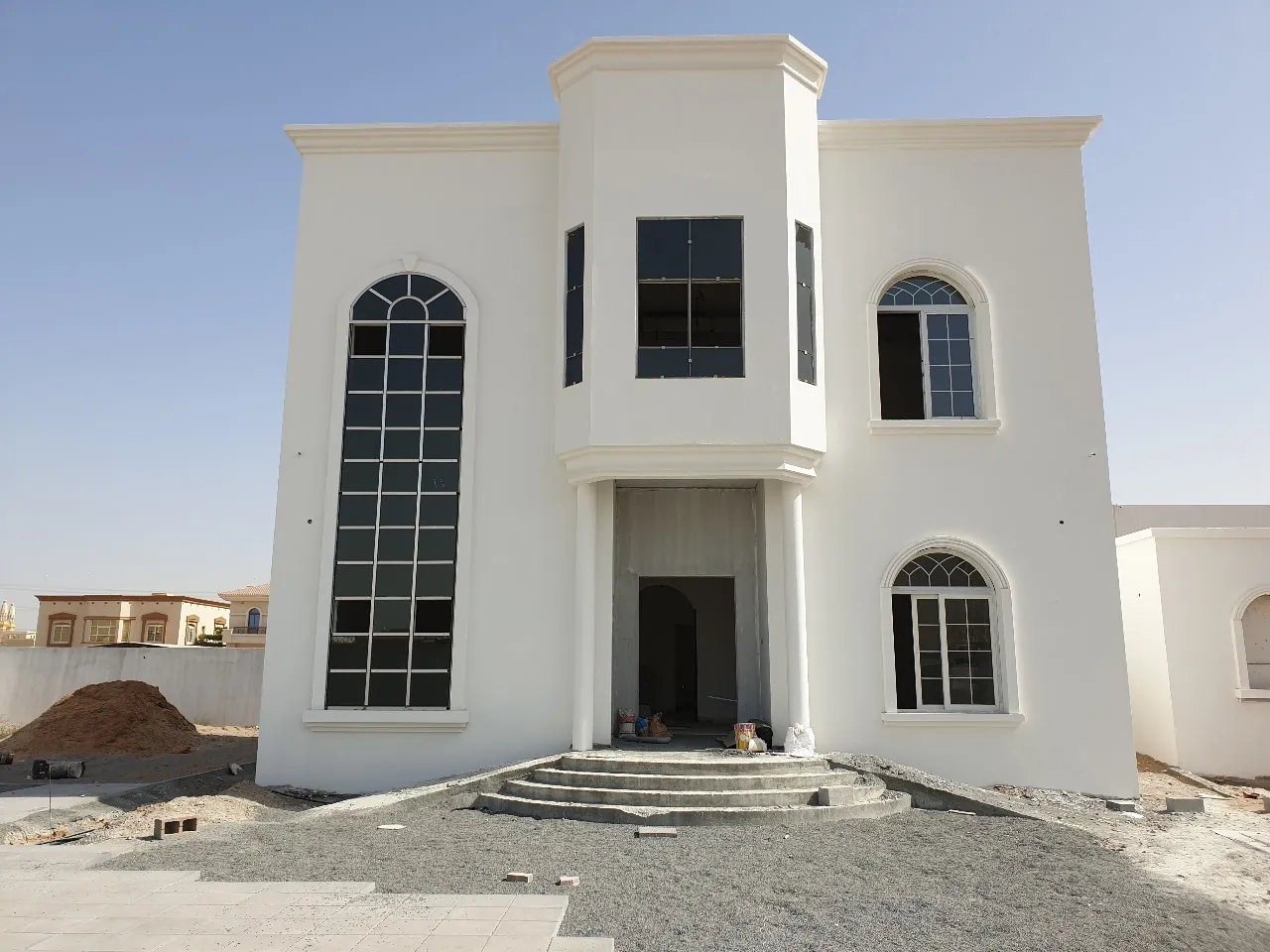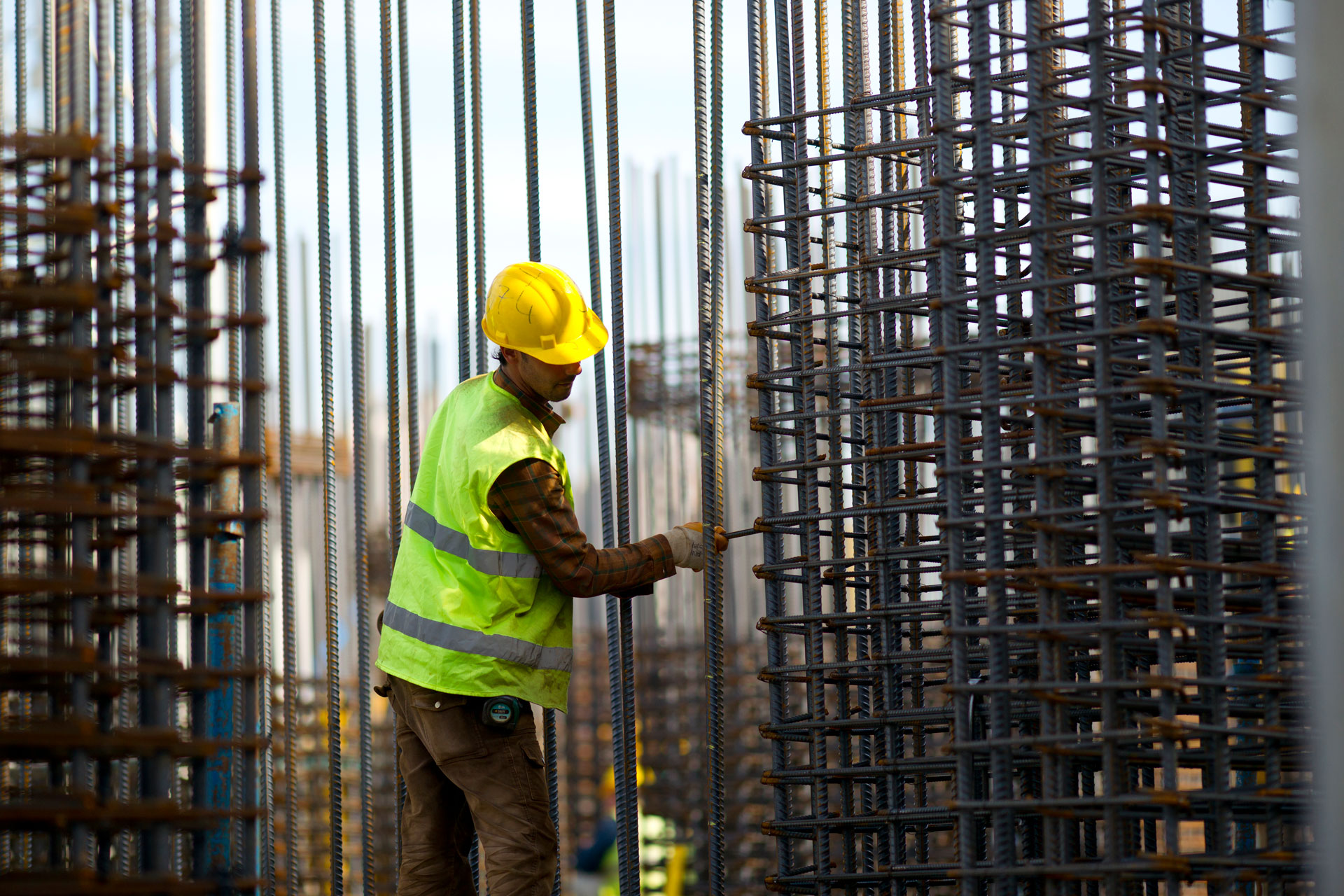

If you are planning a villa, commercial building, renovation, or major property project in Dubai, you will quickly encounter two terms: construction company and general contractor. At first glance, they sound like two names for exactly the same thing. Sometimes they are. Sometimes they are not. The easiest way to understand the difference is this: “construction companies in dubai” usually describes the business, while “general contractor” usually describes the role that business performs on a particular project.
A construction company may provide one specialist service, several construction services, or complete building delivery. A general contractor normally takes responsibility for coordinating the main construction work and bringing multiple trades together under one project structure. In Dubai, that distinction matters because contracting activities operate within a formal licensing and classification framework.
Here is what property owners and developers should understand before choosing either one.
What Is a Construction Company in Dubai?
A construction company is a business that performs one or more construction-related activities. That definition covers a surprisingly wide range of companies. Dubai Municipality classifies engineering contracting activities into different categories rather than treating every contractor as interchangeable. Its classifications include Building Contracting, piling and foundation work, steel construction, road contracting, drainage contracting, building maintenance, landscaping, exterior cladding, and other specialist activities.
That means a business described as a Construction companies in Dubai may focus on:
- Complete building construction
- Structural work
- Foundations and piling
- Steel construction
- Interior works
- Building maintenance
- Landscaping
- Façade or cladding work
- Infrastructure
- Specialist construction services
So, the words “construction company” alone do not tell you exactly what the company can legally or technically undertake. You need to check its licensed activity, classification, technical capabilities, and relevant experience. A company owning hard hats and a concrete mixer does not automatically qualify it to construct everything from a villa to an airport terminal. Construction is slightly more complicated than collecting equipment.
What Is a General Contractor?
A general contractor usually manages the overall execution of a construction project. Instead of performing only one specialist trade, the general contractor coordinates many different activities.

Depending on the contract, that can include:
- Site preparation
- Structural construction
- Blockwork
- Waterproofing
- Mechanical systems
- Electrical systems
- Plumbing
- Roofing
- Doors and windows
- Flooring
- Ceilings
- Painting
- Joinery coordination
- External works
- Testing
- Defect correction
- Handover
The general contractor may perform some of these tasks with its own workforce and subcontract others to specialist companies. The key difference is responsibility for coordination.
If six separate trades need to work in the same area, someone has to decide who goes first, who follows, and who fixes the problem when the plumber and electrician both want the same piece of ceiling. That someone is often the general contractor.
So, Are Construction Companies in Dubai and General Contractors the Same?
Not necessarily. A general contractor will normally be a contracting or construction company, but not every construction company acts as a general contractor. Think of it this way. A specialist piling contractor is clearly a construction company. However, it may only deliver piling and foundation work. A company specialising in exterior building cladding also works in construction, but you would not normally appoint it to manage the entire construction of a villa.
By contrast, a building contractor appointed to coordinate and deliver the majority of a project’s construction work may effectively perform the general contractor role. Dubai Municipality’s regulatory framework reflects this diversity by defining separate contracting activities and technical-staff requirements.
The name on the company website matters less than the scope it is actually licensed, staffed, and contracted to deliver.
Dubai Uses Formal Contractor Classifications
This is where Dubai-specific context becomes important. Dubai Municipality states that Construction companies in Dubai operate within a regulatory framework covering licensing, evaluation, technical staff, professional registration, and activity classification. Its contracting classification identifies Building Contracting as a specific engineering contracting activity.
Other construction activities receive their own classifications. This prevents the market from treating every contractor as qualified for every form of construction.
Before hiring any contractor, clients should therefore ask:
- What contracting activities appear on your licence?
- What Dubai Municipality classifications do you hold?
- Are you authorised for this type of project?
- What technical staff will manage the work?
- Which parts will you subcontract?
Those questions tell you far more than asking, “Are you a construction company?” The answer to that question will almost certainly be yes. Marketing departments rarely respond, “Technically, not really.”
What Does a General Contractor in UAE Actually Manage?
The biggest advantage of appointing a general contractor comes from central coordination. Construction contains a large number of interconnected decisions.
Consider a bathroom.
- The structural team creates the slab and walls.
- The plumber installs drainage and water lines.
- The electrician provides power where needed.
- The waterproofing contractor prepares wet areas.
- The tiler installs finishes.
- The ceiling team works around services.
- The joinery contractor installs the vanity.
Someone then needs to make sure these people do not all arrive on Tuesday morning expecting the room to themselves. A general contractor creates that coordination. The contractor manages sequencing, procurement, access, subcontractors, inspections, and site progress according to the project programme. That central responsibility becomes increasingly valuable as the project becomes larger.
What Is the Role of the Engineering Consultant?
This is another area where clients sometimes become confused. The general contractor and engineering consultant do not perform the same role. Dubai’s permit procedures show both contractors and consultants participating in construction inspections and completion processes. For example, Dubai Municipality’s villa permit procedure assigns responsibilities to both the consultant and contractor during structural inspections and final completion procedures.
Broadly speaking, the consultant provides professional design, engineering, review, and supervision services according to its appointment. The contractor executes the physical construction. Dubai’s 2026 building-quality legislation provides another clear example. It requires an engineering firm to assess technical defects and verify their proper correction, while the owner appoints a contractor to carry out the required rectification work under the engineering firm’s supervision.
One party supervises and verifies. The other performs the work. Confusing those responsibilities is how construction meetings suddenly become much longer than anyone intended.
How Do Building Permits Affect the Construction companies in Dubai You Choose?
Major construction projects in Dubai follow formal permitting procedures. Dubai Municipality states that its Building Control and Building Permits Department manages procedures for building permits, technical inspections, contractor registration, and completion certificates. These procedures cover private and investment villas, industrial buildings, multi-storey buildings, and public buildings.
Your contractor therefore needs to understand the requirements that apply to the project. That becomes particularly important for a general contractor because it coordinates multiple elements that eventually need to align with approved drawings and inspections.
A strong Construction companies in Dubai should be comfortable working with:
- Approved architectural drawings
- Structural drawings
- MEP drawings
- Material specifications
- Consultant instructions
- Inspection requirements
- Authority procedures
The contractor should not treat approved drawings as optional reading material. They are not the construction industry’s version of a restaurant suggestion.
When Should You Hire a General Contractor in UAE?
A general contractor usually makes sense when your project contains many interdependent trades.
Examples include:
New Villa Construction in UAE
A villa requires structural, MEP, architectural, waterproofing, finishing, and external works. Managing every subcontractor independently can become a full-time job. Unless that was secretly your career plan, a competent general contractor makes coordination considerably easier.
Commercial Buildings in UAE
Commercial projects can involve complex services, fire-related requirements, specialist equipment, heavier electrical loads, and demanding programmes. Central coordination becomes essential.
Major Renovations in UAE
A renovation involving wall changes, MEP modifications, bathrooms, kitchens, ceilings, flooring, and joinery can benefit from one contractor controlling the sequence.
Multi-Trade Fit-Out Projects in UAE
Where several trades must work around one another, a main contractor can reduce fragmented responsibility.
When Might a Specialist Construction companies in Dubai Be Better?
Not every job needs a general contractor. If the scope is highly specialised and independent, hiring the relevant specialist company may make more sense.
For example:
- Piling work
- Structural steel work
- Landscaping
- Exterior cladding
- Building maintenance
- Specialist glazing
- Demolition
- Certain infrastructure activities
Dubai Municipality’s classifications specifically distinguish many of these activities. For a small, clearly defined job, adding another management layer can sometimes create unnecessary cost. The decision depends on complexity.
If one qualified specialist can complete the work without needing five other trades, appointing a general contractor to supervise the specialist may be like hiring a wedding planner to organise lunch for two. Possible? Yes. Necessary? Probably not.
Who Is Responsible for Subcontractors?
When a general contractor appoints subcontractors, the main contract should clearly define responsibility. From the client’s perspective, one benefit of the general-contractor model is having a central contractual party responsible for coordinating the construction scope. The contractor then manages specialist trades within that arrangement. Clients should still ask which important packages will be subcontracted.
You may want to know who will perform:
- MEP works
- Waterproofing
- Aluminium and glazing
- Joinery
- Elevators
- Fire-related systems
- Specialist finishes
Subcontracting itself is normal. Poorly controlled subcontracting is the problem. The question is not whether subcontractors exist. The question is who checks their work and takes responsibility for it.
How Does Construction Safety Fit Into the Difference?
Whether a company operates as a specialist contractor or general contractor, construction safety remains mandatory. Dubai’s Decree No. 19 of 2025 requires contractors and engineering consultancy firms to comply with the applicable construction safety rules when carrying out construction work. The requirements apply throughout Dubai, including special development zones and free zones. A general contractor often carries a particularly significant coordination responsibility because several subcontractors may operate on the same site.
Good site management therefore needs to consider:
- Worker access
- Scaffolding
- Working at height
- Temporary electrical systems
- Machinery
- Material storage
- Lifting operations
- Housekeeping
- Emergency procedures
Safety cannot become one subcontractor’s problem. Everyone eventually discovers why.
Does the Dubai Building Code Apply to Both?
Applicable building requirements do not disappear because a company uses a different business description. The Dubai Building Code establishes minimum requirements for health, safety, welfare, convenience, environmental impact, and sustainable building development. Contractors carrying out regulated building work must therefore execute their scope in line with approved designs and applicable requirements.
The general contractor’s wider responsibility means it often coordinates how different building systems come together. A specialist contractor, meanwhile, remains responsible for performing its own scope correctly. Both matter. Perfect glazing cannot rescue bad waterproofing. Excellent concrete cannot make incorrectly installed electrical systems acceptable. Buildings have an inconvenient habit of requiring everything to work together.
How Should You Compare Construction Companies and General Contractors?
Do not compare them using company titles alone. Compare the service you need.
For each potential contractor, check:
- Licensed contracting activity
- Dubai Municipality registration
- Relevant classification
- Similar completed projects
- Technical staff
- Site-management structure
- Proposed subcontractors
- Safety procedures
- Quality-control process
- Programme
- Detailed scope
- Exclusions
- Variation procedure
- Warranty and handover support
Dubai Municipality maintains information on registered contracting companies and states that companies must meet approved contracting standards and registration requirements before receiving authorisation to practise relevant activities.
That makes official verification an obvious first step. After that, examine capability. Registration tells you the company can operate within the framework. It does not tell you whether it is the right contractor for your particular project.
Which One Should You Choose?
Choose based on scope, not terminology. If you need one specialist service, a suitably licensed specialist construction company may be enough. If you are building or renovating a property that requires multiple coordinated trades, a general contractor can provide the central project structure you need.
For major projects, the arrangement commonly involves three distinct parties: The client commissions and funds the project. The consultant handles professional design and supervision responsibilities according to its appointment. The contractor executes the construction works.
Dubai’s permit and building-quality frameworks clearly recognise these different roles. Keeping those responsibilities clear reduces confusion when decisions, inspections, and changes occur.
Final Thoughts
The difference between construction companies in Dubai and general contractors is less mysterious than the terminology makes it sound. A construction company is the broader category. It may provide building construction or specialise in one particular type of construction work.
A general contractor describes the company or contractor taking responsibility for coordinating the main execution of a project across multiple trades. In Dubai, always look beyond the label. Dubai Municipality regulates contractor activities through formal licensing, registration, technical-staff requirements, and activity classifications. Building projects also operate within formal permit procedures and the Dubai Building Code.
So, before choosing a contractor, ask what the company is authorised to do, what it will actually manage, and who remains responsible for each part of your project. The right choice is not the company with the most impressive title. It is the one whose licence, technical ability, experience, and project role match the work you actually need. Construction already contains enough surprises. Your contractor’s responsibilities should not be one of them.