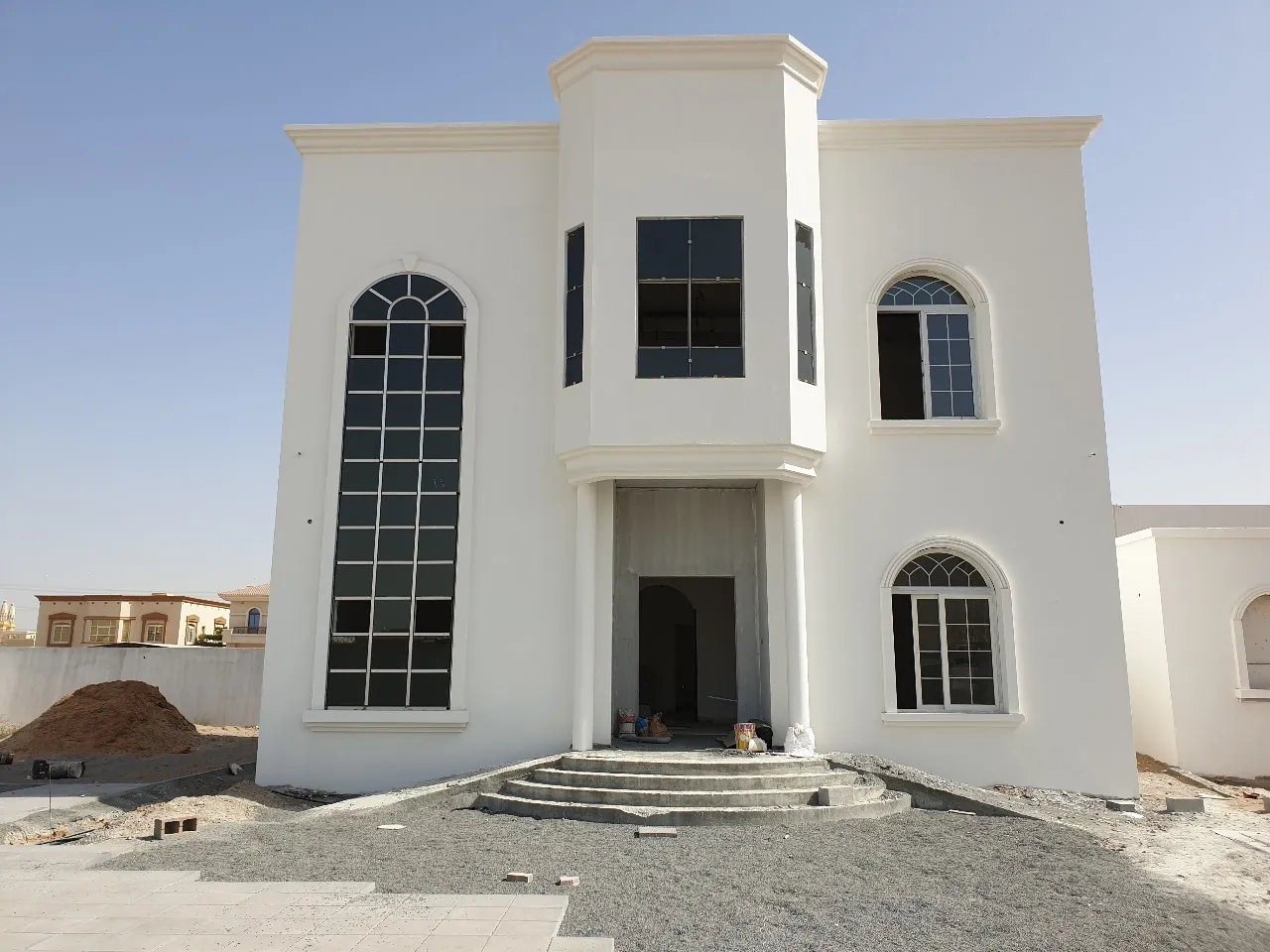
Choosing a building construction company in Dubai is one of those decisions where the cheapest mistake can become the most expensive one. A building project involves much more than concrete, steel and a crew arriving every morning. The contractor must coordinate people, materials, schedules, inspections, safety requirements, subcontractors and approved drawings while keeping the project moving toward completion.
Dubai also has formal rules governing contractors, building permits, construction safety and technical standards. That means you should not choose a contractor simply because the quotation looks attractive or the company has impressive project photographs. A strong portfolio matters. Proper licensing, technical ability and a clear contract matter more. Before signing an agreement, check these ten areas carefully.
1. Check the Building Construction Company in Dubai Licence and Contractor Registration
Start with the most basic question: Is the contractor properly authorised to perform the work? Dubai Municipality maintains licensing standards for engineering consultants and contracting companies. Its current framework covers contractor activities, technical staff requirements, classifications and professional registration.
Dubai Municipality also maintains a database of registered contracting companies that property owners and developers can use when checking contractors. For example, Dubai Municipality classifies Building Contracting under activity code 452001 within its engineering contracting activities.
Ask the company for its legal business name, licence details and relevant contracting classification. Then verify them. Do not assume that every company with the word “construction” on a vehicle can legally undertake every type or size of project. A logo is branding. A licence is something rather different.
2. Make Sure the Building Construction Company in Dubai Is Suitable for Your Type of Project
Not every construction company has the same capabilities. A contractor experienced in private villas may not have the systems or technical team required for a large multi-storey project. Likewise, a company focused on commercial fit-outs may not be your strongest choice for constructing a villa from the ground up.
Dubai Municipality’s contracting framework recognises different construction activities and classifications rather than treating every contractor as interchangeable. Ask to see completed projects that resemble yours in:
- Building type
- Approximate size
- Structural complexity
- Quality level
- Location or authority requirements
- Scope of mechanical, electrical and plumbing work
Relevant experience tells you much more than a gallery containing ten unrelated buildings. When reviewing previous projects, ask what the company actually delivered.
- Did it act as the main contractor?
- Did it perform only part of the work?
- Was the project completed recently?
Construction portfolios occasionally have the same problem as dating profiles: the photograph can be real without telling you the whole story.
3. Understand Who Will Manage the Project
You are hiring a company, but people will deliver your building. Find out who will manage the project before work begins. Ask about the project manager, site engineer, foreman and other key technical personnel. You should understand who makes site decisions, who communicates with the consultant and who becomes your main contact when something needs attention.
Dubai Municipality’s contractor licensing standards include technical staffing requirements for contracting activities, which reinforces the importance of qualified technical personnel rather than relying only on the company name. Good project management keeps drawings, materials, subcontractors and inspections moving in the correct sequence.
Poor management creates delays that often look small individually. A missing approval delays a delivery. A delayed delivery holds up another trade. That trade then moves to another project, and suddenly a two-day problem has developed ambition. Ask for a clear project organisation structure before signing.
4. Check How the Building Construction Company in Dubai Handles Building Permits and Approvals
Construction in Dubai follows formal permit procedures. Dubai Municipality states that its Building Control and Building Permits Department has established procedures for building permits, completion certificates and technical inspections of construction sites. These procedures cover categories including residential villas, industrial buildings and multi-storey or public buildings.
Your exact approval route may depend on the project’s location and the competent authority responsible for that area. Before appointing a construction contractor in Dubai, establish who will handle: design submissions, permit coordination, authority inspections, NOCs, revisions and completion requirements. Do not accept “approvals included” as the full explanation.
- Ask which approvals are included.
- Ask which party submits them.
- Ask whether government or authority fees sit inside or outside the contract price.
- A clear approvals schedule can prevent arguments later.
More importantly, it helps prevent a project from reaching site before the necessary paperwork reaches the necessary authority.
5. Review the Contractor’s Approach to Safety
Construction safety is not an optional company policy in Dubai. Dubai’s Decree No. 19 of 2025 requires contractors and engineering consultancy firms to comply with the applicable Code of Construction Safety Practice while carrying out construction work. The rules apply across the emirate, including special development zones and free zones.
Dubai Municipality subsequently adopted the updated construction safety guide through Administrative Resolution No. 112 of 2026. Ask a potential contractor how it manages site safety. Look for proper site supervision, worker protection, controlled access, safe storage, housekeeping and procedures for higher-risk activities.
For larger projects, ask to review the company’s safety documentation and site procedures. A contractor that treats safety as paperwork completed after an incident has misunderstood the purpose rather dramatically. Good construction companies build safety into daily site management.
6. Read the Quotation and Scope Line by Line
Never compare contractors using only the final number at the bottom of a quotation. Two companies can quote very different prices because they are not actually pricing the same project. A detailed proposal should make clear what the contractor has allowed for in areas such as structural work, blockwork, waterproofing, finishes, doors, joinery, MEP systems, external works and other relevant packages.
- Check the material specifications as well.
- “Premium tiles” is not much of a specification.
- Neither is “high-quality waterproofing.”
Where practical, the contract should identify brands, approved alternatives, technical standards, quantities or quality levels. Also identify exclusions. If landscaping, authority charges, utility connections, loose furniture or certain specialist systems sit outside the price, you want to know before construction starts.A cheap quotation with a long invisible list of exclusions is not cheap. It is simply unfinished mathematics.
7. Understand Variations Before They Happen
Changes happen during construction. The dangerous part is not the existence of variations. It is managing them badly. A client may change a finish, move an opening or upgrade equipment. Site conditions can also reveal legitimate additional work that nobody could reasonably confirm earlier. Your contract should explain how the contractor manages variations.
Ideally, you should receive a description of the change, its price and its effect on the schedule before the contractor carries out additional work, except where urgent circumstances require immediate action. This process protects both parties. Without it, the final account can become a collection of conversations that nobody remembers the same way. Ask one simple question before signing:
What happens financially when I change something?
If the answer resembles interpretive dance, improve the contract.
8. Check the Programme and Payment Structure
A serious construction proposal should include a realistic programme. Ask when work can start, how long major stages should take and what circumstances could affect completion. Be cautious with a contractor that promises an unusually short programme without explaining how it will achieve it. Concrete still needs construction sequencing.Materials still need procurement.
Inspections still need coordination. The calendar does not become more cooperative because someone wants the contract. Payment terms also deserve careful attention. Connect payments to clearly defined contractual stages or other agreed milestones rather than relying on vague descriptions. Check how advance payments, progress payments, retention and the final payment work under your proposed contract.
For VAT, the Federal Tax Authority states that construction services supplied in the UAE are generally subject to 5% VAT. Confirm whether quoted amounts include or exclude applicable VAT so that everyone is comparing the same total.
9. Check Quality Control, Inspections and Handover Procedures
Construction quality cannot rely on somebody noticing problems at the end. Ask how the company checks work while construction is progressing. The Dubai Building Code sets minimum requirements relating to health, safety, welfare, environmental impact and sustainable building development.
Dubai Municipality’s permit procedures also include technical inspections of sites under construction and completion-certificate processes. Your contractor should therefore be comfortable working within approved drawings, consultant inspections and applicable technical requirements.
Ask how the company records inspections and manages defects. At handover, establish what documents you will receive. Depending on the project, these may include relevant approvals, warranties, equipment information, test records, drawings and operation or maintenance documentation.
Dubai’s 2026 Building Quality and Safety Law defines a Completion Certificate as confirmation that construction work has been completed according to the building permit, approved plans, Dubai Building Code and applicable legislation. Handover should therefore involve more than receiving a set of keys and taking photographs.
10. Investigate Reputation, Financial Reliability and After-Sales Support
Finally, look beyond marketing. Ask for genuine client references where appropriate. Review completed projects. Search for consistent patterns in public reviews rather than focusing on one angry comment or one suspiciously enthusiastic five-star sentence.
Also consider whether the contractor appears capable of supporting the project financially and operationally. Construction companies must pay workers, purchase materials, manage subcontractors and keep equipment on site while progress payments move through the project.
Very aggressive pricing can create risk if the contractor has left too little room to deliver the promised specification. You should also ask what happens after completion. Does the contractor provide a defects-liability or workmanship support period under the contract? Who should you contact if a problem appears?How quickly will the team assess legitimate defects?
The best building contractor in Dubai is not simply the company that disappears fastest after handing over the keys.
What Should You Ask Before Signing the Construction Contract?
Before making your final decision, confirm the contractor’s licence and registration, project experience, technical team, approval responsibilities, safety procedures, detailed scope, exclusions, material specifications, programme, payment schedule, variation procedure, quality-control process, handover documents and post-completion obligations.
You should also understand the consultant’s role. For substantial building projects, the relationship between owner, consultant and contractor needs clear boundaries. Each party should understand who approves work, who certifies progress and who has authority to instruct changes.
Clear responsibility reduces confusion. Construction already contains enough moving parts without adding mysterious decision-making to the site.
Is the Cheapest Building Construction Company in Dubai Usually the Best Choice?
No reliable rule says the cheapest contractor will perform badly. There is also no rule saying the most expensive contractor will perform brilliantly. Price needs context. One contractor may include a stronger specification, more complete scope or different subcontractor allowances. Another may have excluded important work.
Normalize the quotations before comparing them. Ask each company to clarify unclear allowances and exclusions. Then compare capability, programme, quality, risk and price together. The goal is not to find the lowest number. It is to understand what you will receive for that number.
Final Thoughts
Hiring a building construction company in Dubai requires more than scrolling through photographs of completed villas. Start by checking whether the contractor appears in the relevant Dubai Municipality framework and holds the correct activity and classification for the work. Dubai Municipality provides both licensing standards and registered-contractor information specifically for this purpose.
Then examine the people, process and paperwork behind the company. Check project experience. Understand approvals. Review safety. Read the quotation properly. Agree how changes and payments work. Confirm how the contractor controls quality and manages handover.
Dubai has detailed requirements covering building design, permits, contractor regulation and construction-site safety. A professional company should treat those requirements as part of normal project delivery, not as obstacles that somebody will figure out later. Construction is expensive enough when everything goes according to plan. There is no need to make it more exciting by choosing a contractor you have not properly checked.