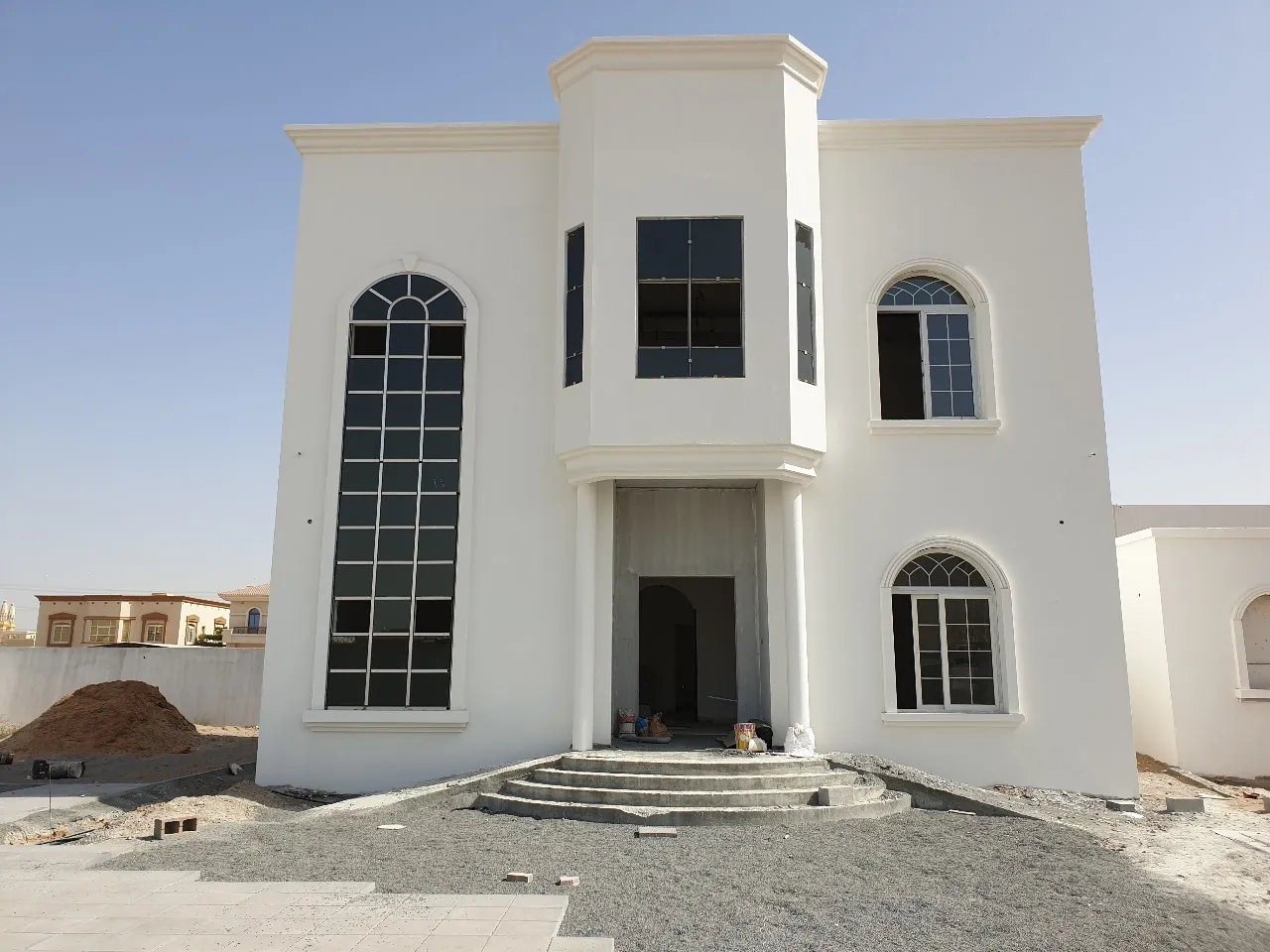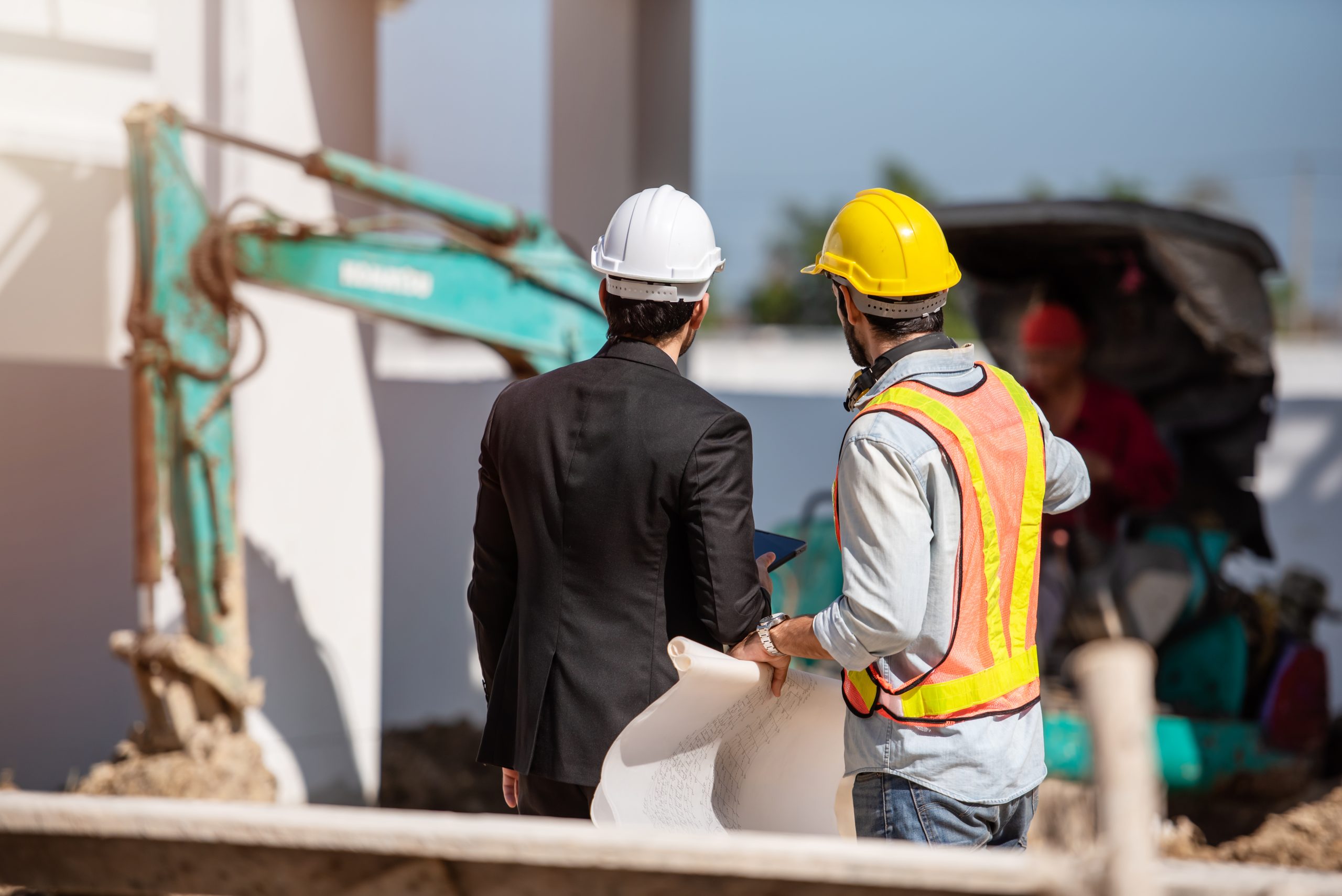
To choose a professional building construction company in Dubai matters when construction requires considerably more than finding a plot, ordering concrete and hoping everyone turns up in the right order. A construction project brings together architectural drawings, structural work, mechanical and electrical systems, materials, approvals, inspections, safety procedures, subcontractors and hundreds of decisions that need to happen at the correct time.
A capable contractor does not simply construct walls and roofs. It coordinates the physical construction process, manages labour and suppliers, follows approved drawings, controls quality and works within Dubai’s construction requirements. Whether you are developing a villa, residential building, commercial property or another type of project, understanding how professional construction works can help you make better decisions before the first excavation begins.
What Does a Building Construction Company in Dubai Do?
A main building contractor manages the construction work required to turn approved plans into a completed building. The exact responsibilities depend on the contract and project, but building construction services commonly cover:
- Site preparation
- Excavation and foundations
- Reinforced concrete works
- Blockwork and masonry
- Structural construction
- Waterproofing
- Roofing
- Mechanical, electrical and plumbing coordination
- Plastering and ceilings
- Flooring and tiling
- Painting
- Doors and windows
- Joinery coordination
- External works
- Testing and commissioning
- Defect rectification
- Project handover
Dubai Municipality formally lists Building Contracting as engineering contracting activity 452001 and maintains classifications for contracting activities in the emirate. That formal framework matters because professional construction is a regulated activity, not simply a collection of trades working independently.
Construction Starts Before Anyone Reaches the Site
People naturally associate construction with cranes, concrete pumps and workers in hard hats. The less photogenic work often starts much earlier. A project first needs suitable design, engineering coordination, required approvals and a clear construction scope. Dubai Municipality’s Building Control and Building Permits Department maintains procedures for building permits, completion certificates and technical inspections of construction sites. Its procedures cover residential villas, industrial buildings, multi-storey buildings and public buildings.
Depending on the location and project, other competent authorities may also play a role. A professional construction company in Dubai should therefore understand the approved documents that govern its work and coordinate properly with the appointed consultant and other project parties. Starting construction before the drawings and responsibilities are clear rarely saves time. It simply allows confusion to arrive on site earlier.
The Dubai Building Code Shapes Construction Quality
Dubai does not leave fundamental building requirements to personal interpretation. The Dubai Building Code establishes minimum requirements relating to health, safety, welfare, convenience, environmental impact and sustainable development. That affects much more than the visible appearance of a building.
The construction team needs to deliver work that corresponds with approved designs, technical specifications and applicable regulations. This is one reason choosing a contractor solely because it offers the lowest price can create problems. A quotation does not construct a building. The company’s people, systems, technical knowledge and site management do.
How Does the Building Construction Process Work?
Every project differs, but a typical construction programme follows a logical sequence.
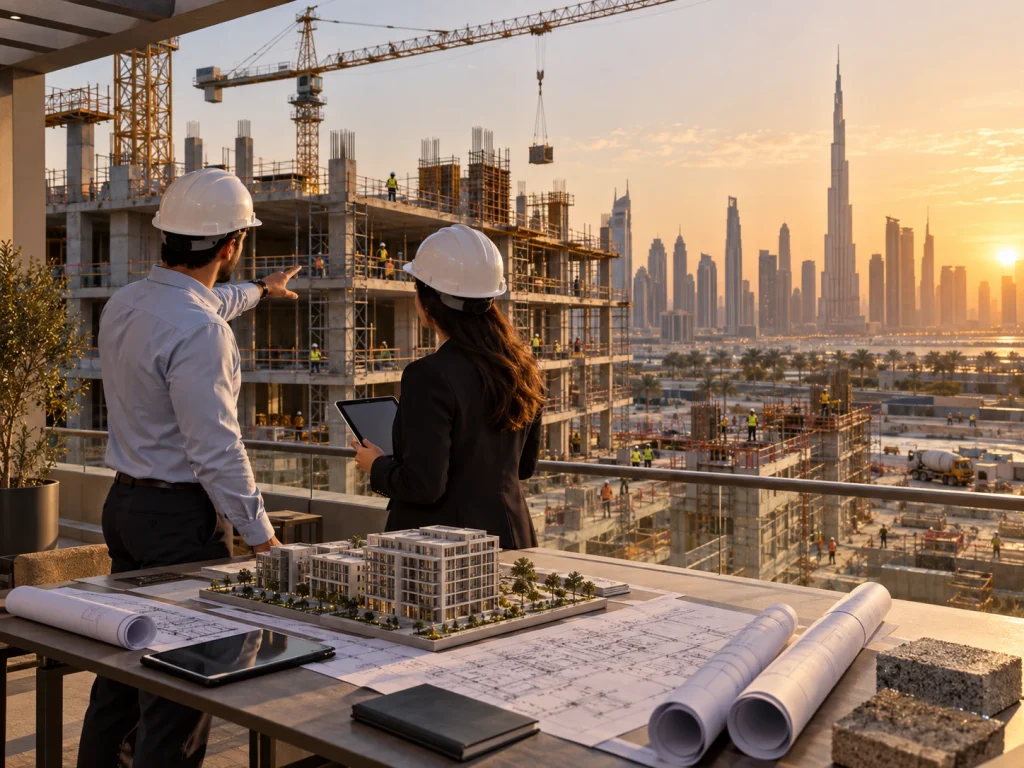
1. Pre-Construction Planning
Before physical work starts, the project team reviews drawings, specifications, quantities, approvals and construction requirements. The contractor may prepare a programme showing how major stages will progress.
Procurement planning also begins here because some materials or specialist items need more preparation than others. Good contractors identify questions early. Poor contractors discover them after twenty workers are standing on site waiting for an answer.
2. Site Preparation and Foundations
Once the project can legally and practically proceed, site preparation begins. The contractor organises access, temporary facilities, setting out, excavation and the foundation works specified by the structural design. Foundation requirements depend on the engineering design and site conditions.
Contractors should therefore work from approved technical documents rather than assumptions about what worked on another property. Concrete may look wonderfully confident once it hardens. That does not make guessing underneath it a good construction strategy.
3. Structural Construction
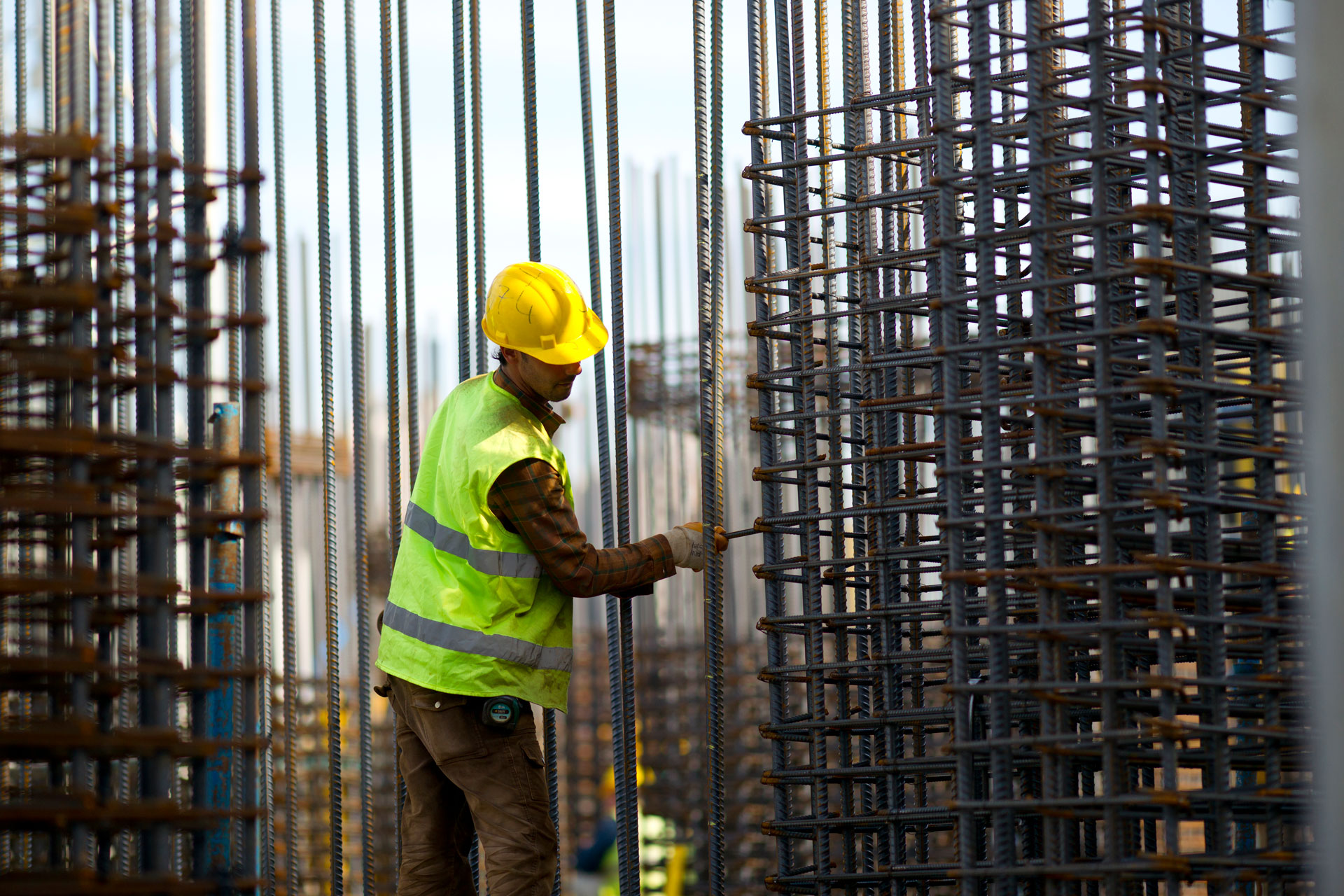
The structural stage creates the building’s main physical framework. Depending on the project, this can involve reinforced concrete columns, slabs, beams, walls and other structural components. Quality control matters throughout this stage because later finishes cannot compensate for poor structural execution.
The contractor must coordinate labour, formwork, reinforcement, concrete operations, inspections and construction sequencing. At this point, progress can appear dramatic. Floors rise and the building starts looking real. It is also the stage where disciplined supervision matters far more than dramatic photographs.
4. MEP Installation
MEP stands for mechanical, electrical and plumbing systems. These systems make the completed building usable. They may include air-conditioning, ventilation, water supply, drainage, electrical distribution, lighting, fire-related systems and other services required by the project.
MEP coordination needs to happen alongside structural and architectural work. A ceiling design becomes considerably less elegant when somebody later remembers that a large duct needs to pass through the same space. Professional contractors coordinate trades before such conflicts become expensive site problems.
5. Waterproofing and Building Envelope
Waterproofing deserves serious attention in bathrooms, roofs, wet areas and other relevant parts of a building. The building envelope also includes external walls, glazing, doors and other components separating interior spaces from outdoor conditions.
These elements influence durability, comfort and building performance. Dubai’s climate also makes thermal performance important, which is reflected within Dubai Building Code requirements and supporting calculations for insulation and glazing.
Clients should pay particular attention to materials and installation standards rather than considering only visible finishes. Nobody compliments hidden waterproofing at a housewarming party. People certainly notice when it fails.
6. Interior and Exterior Finishes
Once major structural and service work reaches the appropriate stage, finishes begin transforming the construction site into a recognisable property.
Depending on the project, work may include:
- Plaster
- False ceilings
- Floor and wall tiles
- Painting
- Stone
- Doors
- Glass and aluminium
- Sanitary fixtures
- Joinery
- Decorative finishes
Material approval matters here. Terms such as “premium quality” or “European standard” tell a client very little unless the contract clearly identifies the actual product or required specification. A strong contractor should manage material submissions, samples and approvals before purchasing or installing major finishes.
Building construction company Dubai Safety Is a Legal Requirement
Construction sites contain genuine risks. Dubai’s Decree No. 19 of 2025 concerning Safety in Construction Works requires contractors and engineering consultancy firms to comply with the applicable construction safety rules across the emirate, including special development zones and free zones.
Dubai then adopted the updated construction safety guide through Administrative Resolution No. 112 of 2026. For clients, this means safety should form part of contractor selection.
Ask how the company manages:
- Site access
- Personal protective equipment
- Working at height
- Scaffolding
- Electrical risks
- Machinery
- Material storage
- Housekeeping
- Emergency procedures
- Safety supervision
A clean and organised construction site does not guarantee perfect workmanship. A chaotic one should still make you ask questions.
Quality Control Should Happen Throughout Construction
Quality inspection should not begin the day before handover. A professional building contractor in Dubai should inspect work throughout the project. That can include checking materials, dimensions, installations, finishes and technical work before later activities cover them. The appointed consultant also has an important role under the project’s professional and regulatory structure.
Construction quality depends on several layers working together: good design, correct materials, competent labour, supervision and inspection. Remove one layer and the problems may only become visible after completion. Dubai’s newer regulatory direction reinforces the importance of long-term building quality.
Law No. 3 of 2026 aims to improve building quality and safety, preserve structural integrity and support ongoing suitability for use. The same law defines a completion certificate as confirmation that construction complies with the building permit, approved plans, Dubai Building Code and applicable legislation.
What Happens During Building Handover?
Finishing construction does not simply mean removing the last ladder. Before handover, the project normally needs inspections, testing, defect review and completion of required documentation. Dubai Municipality’s building procedures specifically include Completion Certificates and technical inspections of under-construction sites.
Depending on the project, handover documents can include:
- Relevant approvals
- Warranties
- Test certificates
- Equipment information
- Maintenance instructions
- Approved drawings
- As-built information where required
- Keys and access items
- Defect records
Clients should understand the handover requirements before reaching the final week of construction. Trying to reconstruct two years of documentation three days before completion is an excellent way to make everyone suddenly very interested in filing cabinets.
How Should Building construction company Dubai Costs Be Managed?
There is no trustworthy universal price per square foot that applies to every Dubai building. Building construction company Dubai costs vary according to design, structure, area, materials, MEP systems, finishes, site conditions, project complexity and market conditions. That is why realistic pricing requires drawings and a defined scope. When reviewing a contractor’s quotation, check what it actually includes.
A lower price may contain different finishes, exclusions, provisional allowances or reduced scope. Clients should also understand applicable tax treatment. Federal Tax Authority guidance states that construction services supplied in the UAE are generally subject to 5% VAT. Confirm whether VAT appears within or outside the quoted price before comparing totals.
How Do You Choose a Reliable Building Construction Company in Dubai?
Start with registration. Dubai Municipality maintains a database of registered contracting companies and engineering consultancy offices that clients can use when checking companies. Then look beyond registration. Review similar completed projects. Meet the people who will actually manage your project.
Ask about the construction programme, procurement process, subcontractors, safety system and quality-control procedures. Request a detailed scope. Understand exclusions. Confirm how variations work. Ask how payments connect to progress. Check what happens after handover. A beautiful company profile can support a decision. It should never replace due diligence.
Contractor, Consultant and Client: Who Does What?
Construction works best when responsibilities remain clear. The client funds and commissions the project. The engineering consultant typically handles professional design and supervision responsibilities according to its appointment and applicable requirements.
The contractor executes the construction works in accordance with the contract, approved drawings and required standards. Problems often begin when those boundaries become fuzzy. A client should not have to decide reinforcement details on WhatsApp.
A contractor should not redesign major elements on site because somebody thinks they “look about right.” And the consultant should not discover important changes after workers have already built them. Clear communication protects the project.
Why Professional Building construction company Dubai Management Matters
A building contains thousands of individual components. Success depends on making those components work together. Good construction management coordinates people, materials, inspections, approvals and decisions so that the next activity can happen correctly. It also manages problems.
No serious contractor can promise that a complex construction project will never encounter an unexpected issue. The better question is how the company identifies, communicates and solves problems when they appear. Professionalism becomes most visible when the project stops behaving exactly like the original spreadsheet.
Final Thoughts
Choosing the right building construction company in Dubai means looking beyond price and marketing. The company should operate within Dubai’s contractor framework, understand building permits and approved drawings, manage construction safety and maintain consistent quality control.
Dubai Municipality provides registered-contractor information, formal building-permit procedures and the Dubai Building Code, while Dubai legislation now places additional emphasis on construction safety and long-term building quality. Use those standards as part of your expectations.
Ask detailed questions before construction starts. Agree the scope clearly. Understand how the contractor controls materials, changes, costs and quality. Then judge the company by how well it manages the complete process—not simply how quickly concrete appears above the boundary wall. A successful building project should look impressive when completed. More importantly, it should still make sense once everyone has stopped taking photographs of it.