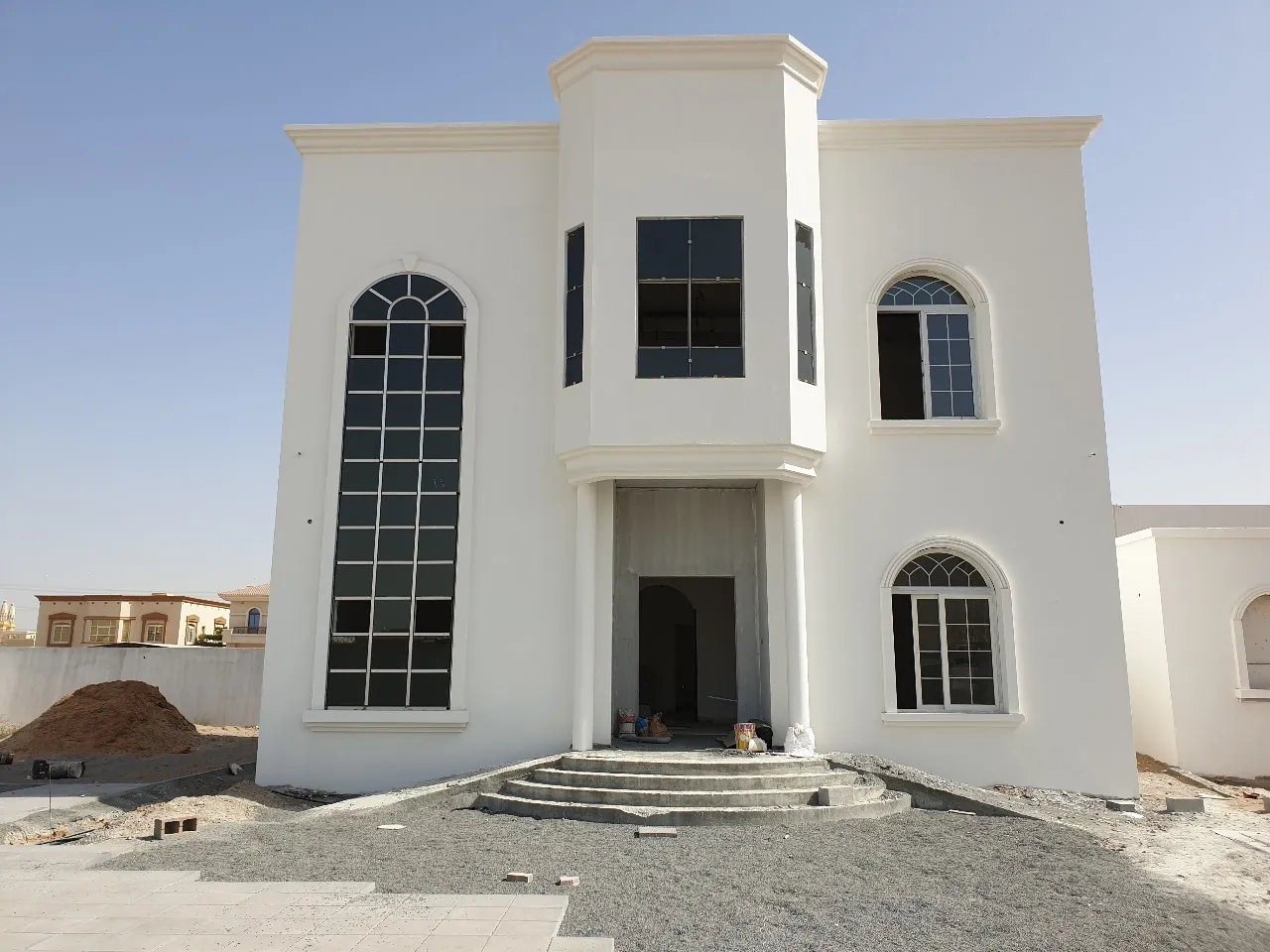

Choosing the right carpentry services in Dubai starts with understanding what you actually need, not simply searching for the lowest quotation. Custom wardrobes, kitchen cabinets, doors, wall panels, shelving and office joinery all require different materials, hardware, measurements, and installation methods.
Good carpentry should look attractive, but appearance tells only half the story. Doors need to align. Drawers need to glide. Cabinets need to handle their intended load. Finishes should suit the location. And preferably, your new wardrobe should not begin developing its own personality three months after installation.
This guide explains what Dubai property owners should check before choosing a carpenter or contracting company.
What Do Carpentry Services in Dubai Usually Include?
Carpentry can range from a small repair to complete bespoke joinery for a villa, apartment, office or commercial space. Common projects include custom wardrobes, kitchen cabinets, vanities, TV units, shelving, doors, decorative panels, reception counters, office storage and furniture repairs. Some projects also combine carpentry with acrylic, glass, aluminium, gypsum, painting or electrical work.
That matters because a beautiful TV wall may require more than a carpenter. Electrical points may need to be relocated, lighting may need to be coordinated, and the surrounding wall or ceiling may need finishing. Perfect General Contracting’s acrylic and carpentry services cover customised woodwork and acrylic fabrication as part of its wider construction and maintenance services. For larger interiors, its interior maintenance services also combine carpentry with other repair and fit-out trades.
1. Decide Between Custom Carpentry Service in Dubai and Ready-Made Furniture
Your first decision should involve the type of work. Ready-made furniture works well when standard dimensions fit your room, and you do not need specialised storage. Custom carpentry makes more sense when you need furniture designed around a particular wall, ceiling height, corner, appliance or storage requirement.
Custom work can also make better use of awkward spaces. A floor-to-ceiling wardrobe, for example, may use space more efficiently than several freestanding cabinets. A custom kitchen can accommodate appliances, plumbing points, and work areas instead of asking your refrigerator to negotiate with a standard cabinet layout. However, custom work needs accurate measurements and clearer planning.
Ask the carpenter whether the quotation includes site measurement, design development, fabrication, delivery, and installation.
2. Compare Materials Before Comparing Prices
Two quotations can describe the same wardrobe while specifying completely different materials. That makes direct price comparisons misleading. Common carpentry materials include solid timber, plywood, MDF, particleboard, and different decorative surfaces such as veneer, laminate, paint, or acrylic. Each serves different purposes. Do not assume that one material automatically wins every contest. The right choice depends on the application, finish, moisture exposure, expected use, design, and budget.
Wood itself also responds to changes in moisture. Research from the U.S. Forest Products Laboratory explains that changes in wood moisture content can cause dimensional movement that contributes to problems such as cracking, distortion, or buckling. That makes material selection, preparation, and installation especially important where humidity or moisture may affect the joinery. Ask your contractor to state the proposed board or timber type rather than writing only “woodwork” in the quotation.
3. How to Compare Carpentry Services in Dubai Properly
A detailed quotation makes it easier to understand what one contractor offers compared with another. Look beyond the final total.
Check whether the quotation identifies:
- Type and thickness of important boards
- Surface finish
- Internal cabinet finish
- Hinges and drawer hardware
- Handles or handle-less systems
- Shelving arrangement
- Installation
- Delivery
- Removal of existing joinery
- Electrical or lighting work, if required
If one quotation specifies plywood carcasses, branded hinges, and a particular finish while another says “complete wardrobe,” you are not comparing equivalent proposals. You are comparing information with optimism. Ask contractors to clarify anything vague before approving the work.
4. Look Closely at Hardware
People naturally focus on visible finishes. Hardware quietly determines how much of the furniture actually behaves properly. Cabinet hinges, drawer runners, sliding-door systems, handles and lift mechanisms affect daily use. Heavy drawers or large doors require hardware suited to their weight and dimensions. Ask which hardware the contractor proposes and whether alternatives will change the quotation.
Also check accessibility. If a hinge or drawer runner fails later, replacing a commonly available component will usually prove easier than tracking down an unidentified fitting that disappeared from the market shortly after your kitchen installation. The smartest specification is not always the most expensive one. It is the one that fits the intended use and remains maintainable.
5. Ask to See Relevant Carpentry Work
Do not judge a contractor only by the number of photographs in a portfolio. Look for projects similar to yours. Someone may build excellent retail counters but have limited experience with full villa wardrobes. Another team may specialise in residential cabinetry but rarely handle large commercial joinery.
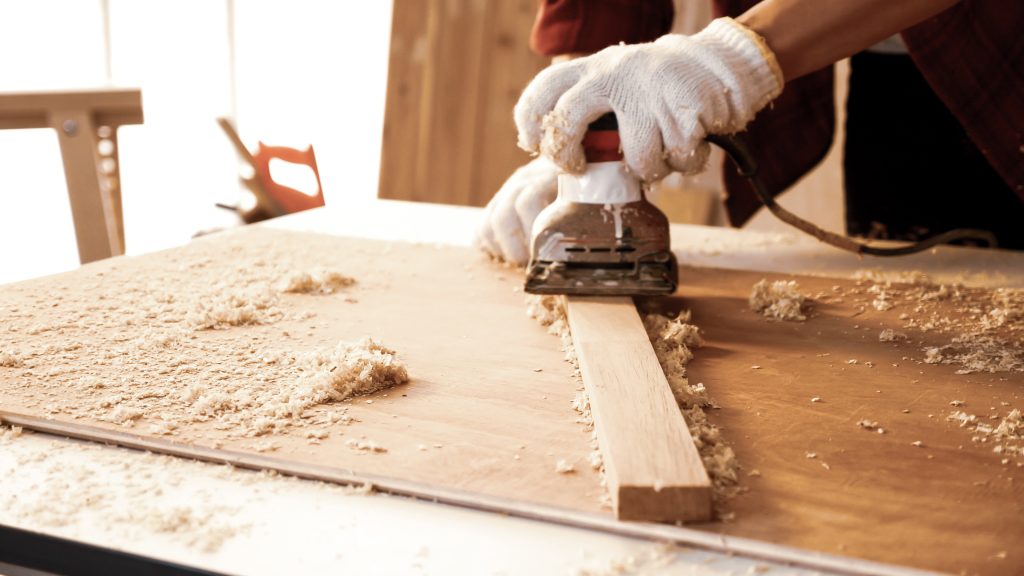
Study details rather than dramatic wide-angle photos. Look at door alignment, corner joints, drawer spacing, edge finishing, and consistency between panels. During a site meeting, ask how the contractor plans to fabricate and install your particular design. A useful conversation about construction details usually tells you more than twenty photographs accompanied by the word “luxury.”
6. Accurate Measurements Matter More Than People Think
Carpentry begins with measurements. Walls that appear straight may vary slightly. Floors can change level. Corners may not form perfect right angles. Existing skirting, electrical points, AC controls and plumbing connections can affect cabinet dimensions. That is why final site measurement matters for bespoke joinery. Discuss whether measurements will happen before fabrication and whether the contractor will recheck critical dimensions after demolition or other renovation work.
Kitchen projects require particular coordination. Cabinet dimensions need to work with countertops, sinks, appliances, plumbing, and electrical outlets. One incorrect assumption can create a chain of adjustments. A five-millimetre issue on paper sounds tiny. Inside a tightly planned cabinet layout, it can suddenly become everyone’s favourite meeting topic.
7. Choose Finishes for the Actual Space
Do not choose a carpentry finish only because it looks attractive in a sample photograph. Consider where you will use it. Kitchen cabinetry faces regular cleaning, cooking activity and occasional moisture. Bathroom vanities need greater attention to moisture exposure. Wardrobes usually experience different conditions. Commercial counters may need to withstand much heavier daily use.
Ask how the proposed finish suits the location and how you should clean it. If you choose painted, laminated, veneered, or acrylic surfaces, request physical samples where practical. Screens can distort colour and texture. A beige finish that looked pleasantly warm on a phone can become impressively yellow when it occupies six metres of your living room. Samples reduce surprises.
8. Ask Whether Your Project Needs Approvals
A standalone wardrobe or furniture repair does not automatically require a construction permit. However, carpentry can form part of a larger fit-out or building modification. In those cases, the overall project may fall under building-management, developer, or authority approval requirements depending on the property and scope. Dubai Development Authority, for example, operates a formal fit-out permit process within its jurisdiction for building, office, and retail fit-out works. Its process can require documents such as building-owner NOCs and approved drawings.
DDA also distinguishes fit-out work from building modifications involving issues such as structural elements or changes to the building. The practical lesson is simple: ask before work starts. If your carpentry forms part of a wider renovation, confirm whether your building management, developer or relevant authority requires approval.
9. Choose Carpentry Services in Dubai That Can Coordinate Other Trades
Carpentry rarely lives alone during a renovation. Kitchen cabinets interact with plumbing and electrical systems. TV units may incorporate sockets and lighting. Decorative wall panels can meet gypsum ceilings. New doors may require painting or wall repairs. A contractor that can coordinate these trades may simplify larger projects.
Perfect General Contracting provides building construction and renovation services alongside carpentry, electrical, plumbing, and finishing work. Its broader property maintenance services also cover residential and commercial property work where several repair trades may need coordination. That does not mean every small shelf needs a general contractor. It means multi-trade projects need someone to think about the order in which everything happens.
10. Understand the Carpentry Services in Dubai Process Before Paying
Ask the contractor to explain what happens after approval. A typical custom project may involve measurement, material confirmation, shop drawings or design approval, fabrication, delivery, installation and final adjustments. The exact process varies with the work. You should also understand the payment stages and how the contractor will manage design changes.
If you decide halfway through fabrication that three drawers should become five, that may affect material, hardware, labour and completion time. Changes happen. The important thing is to document them rather than relying on a collection of WhatsApp messages that everyone remembers differently.
11. Watch for Common Carpentry Red Flags
Be cautious if a contractor gives a major custom-joinery price without understanding dimensions, materials, or finish requirements. Also question quotations that contain almost no specification. Other warning signs include unclear material descriptions, reluctance to provide samples, constantly changing verbal promises, and difficulty explaining who will measure or supervise the installation.
Do not automatically reject a contractor because the quotation costs more than another. First find out why. One company may include better hardware, thicker material, installation, and finishing, while another has excluded several of those items. The cheapest number can become surprisingly expensive once missing details start arriving as extras.
Questions to Ask Before Booking Carpentry Services in Dubai
Before signing, ask:
What material carpentry service in Dubai will you use?
Request the actual material type and important specifications instead of accepting the word “wood.”
Can I approve the finish before fabrication?
Physical samples can help you evaluate colour, texture, and surface appearance.
Who takes final measurements?
Confirm that the fabrication team works from verified site dimensions.
What hardware will you install?
Ask about hinges, runners and sliding mechanisms where relevant.
Does the quote include delivery and installation?
Never assume. Confirm it.
Does my project require any approval?
For wider fit-outs or building modifications, check requirements with the building, developer and relevant authority. DDA, for example, has specific permit procedures for projects within its jurisdiction.
How will changes be priced?
Agree on a clear process for variations before fabrication begins.
Final Thoughts:
Good carpentry services in Dubai should combine accurate measurement, suitable materials, appropriate hardware, careful fabrication, and proper installation. Start with a clear design. Compare specifications instead of totals. Ask for material samples. Review relevant previous work. Understand approvals when carpentry forms part of a larger fit-out. Most importantly, get important decisions in writing.
Custom carpentry should solve problems in your property, not manufacture new ones. Perfect General Contracting LLC provides professional carpentry and acrylic work as part of its residential, commercial, construction, and maintenance services. Property owners can request a project-specific assessment and quotation through the company’s official contact channels.